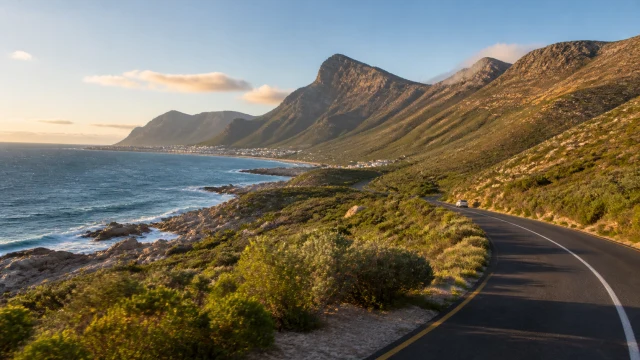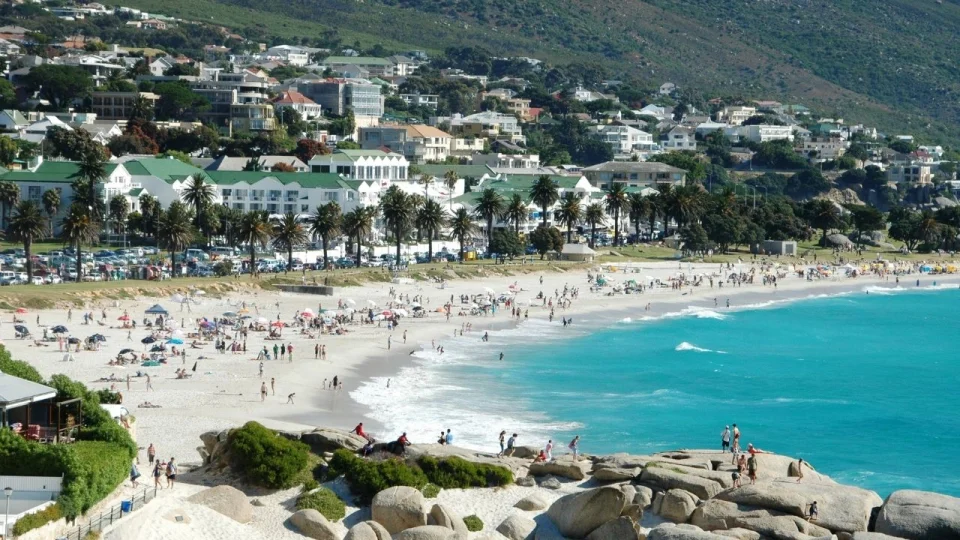
A Cape Peninsula day is not simply a drive to the edge of the map. It is a journey through a succession of landscapes: Atlantic beaches, weathered mountains, fishing harbours, fynbos-covered headlands and the sheltered shores of False Bay. Few excursions from Cape Town offer so much variety in one coherent route.
The best days are paced with room to look, walk and change course. Conditions on the peninsula can shift quickly, and every traveller values something different: a longer coastal walk, extra time with the penguins, a relaxed lunch or several short photographic stops. Use this guide to understand the route, then shape it around what matters to you.
Why visit the Cape Peninsula?
The peninsula compresses much of the Cape’s character into a single outing. On the Atlantic side, mountain slopes fall towards cold blue water and the road moves through neighbourhoods and villages with their own rhythm. Farther south, the built landscape gives way to the protected scenery of the Cape of Good Hope section of Table Mountain National Park. The return along False Bay introduces a gentler coastline, maritime history and the African penguins at Boulders Beach.
That combination makes the journey especially valuable for first-time visitors. You do not have to choose between scenery, wildlife and local places; they naturally sit along the same broad loop. It is also a rewarding repeat visit because small decisions — a different lunch stop, a walk between viewpoints or more time in Kalk Bay — can change the feel of the day.
Chapman’s Peak Drive
Chapman’s Peak Drive traces the mountainside between Hout Bay and Noordhoek. Its curves reveal changing views across the Atlantic, with pull-offs that make it possible to pause safely when they are open. The road is not merely a way to reach the south: it is one of the peninsula experience’s defining scenic passages.
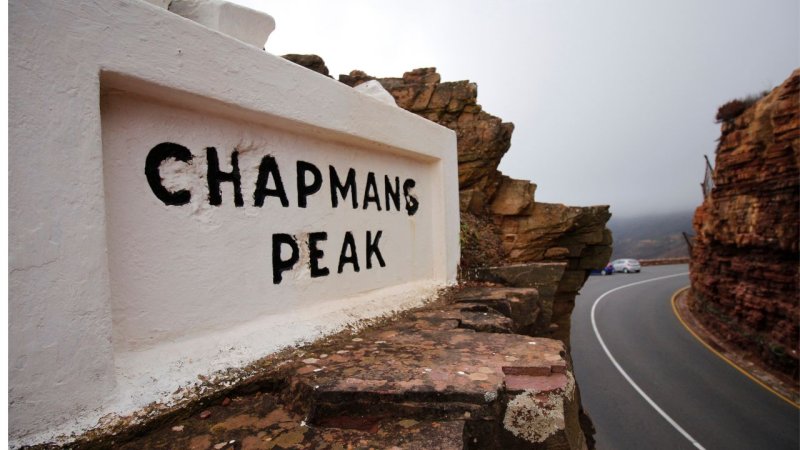
Weather, maintenance and safety conditions can affect access, so a thoughtful itinerary should retain some flexibility. If the road is unavailable, the peninsula still has worthwhile alternatives. If it is open, resist the urge to photograph every bend. One or two well-chosen viewpoints leave more time for the places ahead.
Cape Point and the Cape of Good Hope
Inside the reserve, the atmosphere changes. Low fynbos opens towards cliffs, coves and long views across the ocean. Visitors usually combine the Cape of Good Hope shoreline with the higher viewpoints around Cape Point. Depending on mobility, weather and interest, there are short walks as well as longer routes linking parts of the reserve.
Cape Point is often described as the exact meeting place of the Atlantic and Indian Oceans, but that familiar line oversimplifies a moving oceanographic boundary. What is certain — and more useful to a visitor — is the power of the headland’s scenery and its long importance to mariners navigating the Cape coast.
Allow enough time to experience the landscape rather than treating the signs as a photo queue. Paths can be exposed to wind and sun, and distances feel different on uneven ground. Stay on marked routes, keep food secured, and never approach or feed wild animals. Baboons in particular are intelligent, strong wildlife, not roadside entertainment.
Boulders Beach and the penguins
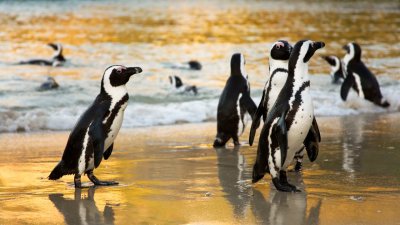
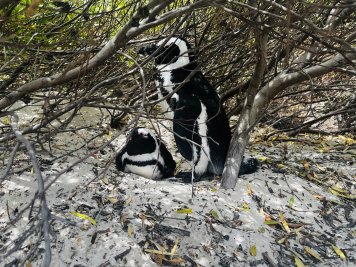
African penguins are one of the peninsula’s most memorable wildlife encounters. At Boulders, managed boardwalks give visitors a close view while protecting nesting and resting areas. The penguins may look relaxed around people, but they remain wild animals with sharp beaks and a need for space.
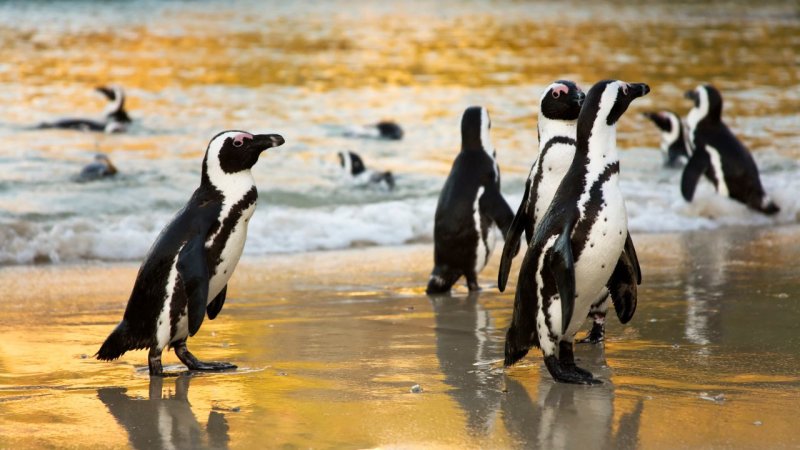
Stay behind barriers, keep hands away from the birds and do not block their path to the water. A longer lens is kinder than moving closer. The colony is part of a vulnerable species’ range, so responsible behaviour is central to the experience, not an optional extra.
Simon’s Town
Boulders sits beside Simon’s Town, a historic naval town facing False Bay. Its maritime character, older streetscapes and sheltered waterfront offer a different texture from the wild headlands. Even a brief pause helps place the penguin visit within a living coastal town rather than an isolated attraction. If the day allows, it can also be a pleasant lunch or coffee stop.
Other stops worth considering
Hout Bay works naturally near the start of the Atlantic route. The harbour and surrounding mountains offer an immediate sense of Cape Town’s relationship with the sea. How long you stop should depend on the rest of the day; it is easy for a quick harbour look to become a leisurely visit.
Noordhoek marks the transition from the cliff road to a broad beach landscape. Its village atmosphere suits a coffee break, while a viewpoint over the long pale beach can be enough for travellers keeping a steady pace.
Kalk Bay is lively, compact and full of character, with working harbour activity, shops and places to eat. Muizenberg, farther along False Bay, is known for its beachfront and surfing culture. Either can be a rewarding final chapter, but trying to give both a long visit on the same day often creates a rushed finish.
Choose two or three priorities beyond Cape Point and Boulders Beach. Treat the remaining places as flexible possibilities rather than a checklist.
How long should you allow?
A full day generally gives the peninsula room to breathe. The route covers meaningful distance, yet the real time is spent getting out of the vehicle: walking to viewpoints, observing wildlife, eating lunch and waiting for the light at an overlook. Traffic, road conditions and seasonal visitor volumes vary, so exact timings are less useful than a realistic sense of pace.
If your schedule only allows part of a day, reduce the number of stops rather than compressing the whole loop. A focused visit can still be excellent; a hurried series of arrivals and departures rarely is. Check current official information for road access and conservation-area arrangements close to your travel date.
Private tour vs self-drive
Self-driving suits confident visitors who enjoy route planning and want complete independence. It can work well when one person is comfortable driving on the left, understands local road conditions and is happy to limit alcohol with lunch. The trade-off is that the driver spends more attention on navigation, parking and the road than on the landscape.
A private guided day places those practical tasks with someone else. A local guide can add context, adjust the order of stops as conditions change and help balance ambition with a comfortable pace. It is also easier for everyone in the group to enjoy the views. Private does not need to mean rigid or formal; its strongest advantage is the ability to shape the day around your interests.
Whichever way you travel, avoid planning the route so tightly that one queue or slow lunch unravels the day. The peninsula rewards curiosity and flexibility.
What should you bring?
- Comfortable shoes: even short viewpoint walks can involve slopes, steps or uneven surfaces.
- Sun protection: use sunscreen, a hat and sunglasses even when the morning starts cool.
- A light layer: wind and temperature can differ markedly between the Atlantic side, Cape Point and False Bay.
- Water: carry your own and drink regularly, especially if you plan to walk.
- A camera or charged phone: bring a longer lens if wildlife photography matters to you.
- A small amount of flexibility: it may be the most useful thing you pack.
A more personal way to explore the Peninsula
The Cape Peninsula works best as a story rather than a checklist: city edges giving way to open coast, the quiet scale of the reserve, and a return through False Bay’s towns. Decide whether your ideal day leans towards walking, photography, wildlife, food or simply the drive itself. That preference should determine where you linger.
Outreach Africa’s private Cape Peninsula experience connects Cape Point and Boulders Beach with the coastal route while allowing room for personal interests. If you would like to combine different ideas, you can also plan a custom Cape Town experience with the team.